How Cannabis Supports Anxiety and Stress Reduction

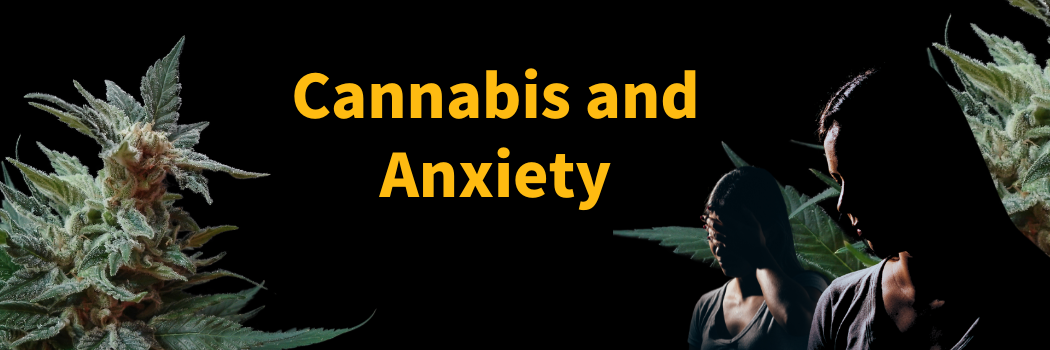
You know those days when your mind just won’t stop racing? Your thoughts are all over the place, your shoulders are tense, and even though you’re exhausted, you still can’t relax.
You’re not alone. Life moves fast—between work, family, bills, and the constant buzz of social media, it’s no wonder we feel overwhelmed.
That’s why more people are starting to look beyond the usual prescriptions. They’re turning to cannabis as a more natural way to ease anxiety, let go of stress, and just feel a little more like themselves again.
What Anxiety and Stress Really Feel Like
Let’s be real—most of us have felt anxious or stressed at some point. But when it sticks around or gets intense, it can start to feel like something more. So, what’s really going on when your mind and body just won’t settle?
Anxiety: That Constant Buzz in the Background
Anxiety isn’t just feeling nervous before a big meeting or a first date. Sometimes, it’s a constant hum in the background—like your brain just won’t shut up, even when there’s no obvious reason.
For some, it shows up as always worrying—about work, money, health, the future—everything. That’s often called Generalized Anxiety Disorder (GAD). For others, it’s the fear of being judged or embarrassed in public, which can make simple things like going to a party or speaking up in a meeting feel overwhelming—that’s Social Anxiety.
And then there are panic attacks. Out of nowhere, your heart races, your chest tightens, and it feels like something is seriously wrong. That’s Panic Disorder.
Anxiety can look different for everyone, but common signs include racing thoughts, restlessness, tightness in the chest, shaky hands, trouble sleeping, and that foggy, can’t-focus feeling.
Stress: When Life Just Feels Like Too Much
Stress can actually be helpful in short bursts—it gives you that push to finish a project or handle a tough situation. But when it doesn’t go away? That’s when it starts to weigh you down.
Stress usually has a trigger—like work deadlines, arguments, money stuff, or even just having too much on your plate. At first, you power through. But over time, it starts to show up in your body and mood.
You might feel your shoulders knot up, get more headaches, or snap at people over little things. Maybe you’re tired all the time, even after sleeping. Your stomach acts up, your heart races, and it’s harder to enjoy the stuff you used to. Left unchecked, long-term stress can lead to bigger health issues, both mentally and physically.
Causes of Anxiety and Stress?
Why You Might Be Feeling Anxious or Stressed
Anxiety and stress don’t just pop up out of nowhere. They usually come from a mix of things happening in your life, in your body, and in your daily routine. Sometimes, it’s one big thing. Other times, it’s a bunch of little things piling up until it feels like too much.
Life Stuff That Can Weigh You Down
- Work can feel never-ending—or you might be worried about losing your job
- Tension at home or in your relationships can leave you feeling drained
- Money struggles or debt can hang over your head like a cloud
- Being constantly busy without any real downtime can wear you out
What’s Going On Inside Your Body
- If anxiety or stress runs in your family, you might be more likely to feel it too
- Your brain chemistry plays a part—low levels of serotonin or dopamine can throw things off balance
- Hormones can stir things up, especially during puberty, pregnancy, or menopause
Everyday Habits That Might Be Making It Worse
- Not sleeping enough? That messes with your mood, focus, and energy
- Eating lots of processed foods or skipping meals? That can cause blood sugar crashes and make you feel worse
- Scrolling late into the night? Too much screen time can leave you feeling wired and overstimulated
- Skipping movement? Without exercise, your body misses out on endorphins—those feel-good chemicals that help you relax
How Cannabis Helps with Anxiety and Stress
You’ve probably heard people say that cannabis helps them relax—and it’s true. That’s a big reason why it’s showing up more in conversations around mental health. But what’s actually going on behind the scenes in your body when that happens?
Meet Your Endocannabinoid System (ECS)
Your body has something called the endocannabinoid system, or ECS for short. Think of it as your internal balancing system—it’s always working in the background to help keep things steady, both physically and emotionally.
When you’re feeling overwhelmed or stressed out, your ECS jumps in to help bring you back to center. It does this through special receptors found throughout your body:
- CB1 receptors – Mostly in your brain, they play a role in things like mood, memory, and how you feel pain
- CB2 receptors – Found more in your immune system, they help regulate inflammation and immune responses
Cannabis works by interacting with these receptors. That’s why it can have a calming effect, help with emotional balance, and support your body’s natural way of managing stress.
CBD vs. THC for Anxiety and Stress
CBD vs. THC: Finding What Works for You
When people talk about cannabis and mental health, two names come up a lot: CBD and THC. They’re the most well-known parts of the plant, and while they both can help with anxiety and stress, they work in different ways. Understanding the difference can make a big impact on how you feel.
CBD: Calm Without the High
CBD doesn’t get you high—and that’s exactly why a lot of people love it. It works quietly with your body to help you feel more grounded. Many folks turn to CBD for anxiety because it can:
- Calm your nervous system when everything feels too loud
- Ease inflammation, which can affect how you feel emotionally and physically
- Support better, more restful sleep
- Help reduce how often panic attacks show up—or how intense they feel
It’s a gentle kind of relief. You may not feel a dramatic shift, but over time, you might just notice that you’re feeling more balanced, less on edge.
THC: Stress Relief—With a Bit of a Buzz
THC does create a high, and for some people, that’s actually helpful. In small amounts, THC can:
- Help your body relax and release tension
- Lift your mood and bring a sense of ease
- Make it easier to be in the moment instead of stuck in your head
But here’s the thing: too much THC can sometimes make anxiety worse, especially if you’re already feeling a little on edge. It can lead to things like:
- Racing thoughts that won’t slow down
- Paranoia or a sense that something’s wrong, even when it’s not
- A fast heartbeat that makes you feel more anxious instead of less
That’s why a lot of people choose CBD-rich products or balanced blends that have just enough THC to help, without tipping into overwhelm.
Why Terpenes Matter for Stress Relief
When people think about cannabis, they usually focus on THC and CBD. But there’s actually a whole bunch of other natural compounds called terpenes that play a big role in how a strain makes you feel. They’re the reason cannabis smells and tastes so different from one kind to another—and they can also help with stress.
Here are a few terpenes that are known for helping you chill out:
- Linalool — This one’s the same soothing scent that lavender has, and it’s great for helping you relax and drift off to sleep.
- Myrcene — It’s got a mellow, calming vibe that’s often behind those super-relaxing “couch-lock” strains.
- Limonene — Bright and citrusy, limonene can give your mood a little boost when you’re feeling down.
- Beta-caryophyllene — You know that spicy smell from black pepper? That’s this terpene—it helps calm your nerves and reduce inflammation.
If you start paying attention to terpenes, you might find it easier to pick a strain that fits just what you need to unwind and feel good.
Best Cannabis Strains to Help Calm Anxiety
Finding the right cannabis strain can really make a difference when anxiety hits. Here’s a simple, no-nonsense guide to some of the best options out there, depending on what you’re looking for.
High-CBD Strains (Chill without the High)
If you’re new to cannabis or just want to stay clear-headed, these strains are great:
- ACDC – Helps you relax and mellow out without any “high” feeling.
- Charlotte’s Web – Super gentle and often recommended for anxiety relief.
- Cannatonic – A nice combo that calms both your body and your racing thoughts.
Balanced Strains (A Little Bit of Both)
Want a bit of relaxation but still want to stay sharp? These are your go-to:
- Harlequin – Perfect for daytime, it helps you chill without turning you into a couch potato.
- Sweet and Sour Widow – Brings a light, happy buzz without the anxiety spikes.
- Pennywise – Great for calming down, especially before bedtime.
High-THC Strains (Use Carefully)
If your body feels tense or you need serious help winding down at night, some high-THC strains can do the trick. But heads up: if you’re sensitive to THC, these might not be your best friend. Start slow!
- Granddaddy Purple – Known for deep relaxation and helping with sleep.
- Northern Lights – Helps you relax without making your brain feel foggy.
- Blue Dream – Offers a nice mix of a gentle mental lift and body calm.
Terpene-Rich Strains (For That Extra Mood Boost)
Sometimes it’s the terpenes—those natural scents and flavors—that really shape how a strain makes you feel. Here are some favorites for easing stress and lifting your mood:
- Jack Herer – Packed with limonene, it gives you clear-headed energy and good vibes.
- OG Kush – Full of beta-caryophyllene, it’s a go-to for deep, soothing relaxation.
- Bubba Kush – Loaded with myrcene, perfect for helping you sleep and melt away stress.
What Science Is Saying About Cannabis and Mental Health
Lately, there’s been more and more research looking at how cannabis might help with things like anxiety and stress.
For example, back in 2011, a study found that people who took CBD before giving a speech felt less anxious and more at ease.
More recently, in 2020, researchers noticed that lots of folks with PTSD felt better after using cannabis, with fewer symptoms showing up.
Some brain experts believe cannabis can help calm the part of your brain that controls fear and stress—especially if you use it carefully and in the right doses. But it’s important to know that not everyone agrees just yet. The science is still figuring things out, and cannabis affects everyone a little differently.
Other Natural Ways to Handle Stress
If cannabis isn’t really your thing—or you just want to try some other ways to feel better—there are lots of natural things you can do to help manage anxiety and stress.
Here are a few simple ideas to try out:
- Mindfulness or meditation — It helps slow your breathing and calms your stress levels.
- Exercise or yoga — Moving your body releases feel-good chemicals and helps melt away tension.
- Herbal helpers — Things like ashwagandha, valerian root, or chamomile can be really soothing.
- Eating well — Adding foods rich in omega-3s, magnesium, and Vitamin D can support your mood.
- Breathing tricks — Techniques like box breathing or the 4-7-8 method are great for calming your mind quickly.
These little habits can work wonders on their own or pair nicely with cannabis if you’re using that too. It’s all about finding what feels right for you.
FAQs About Using Cannabis for Anxiety and Stress
Can cannabis really help with anxiety and stress?
A lot of people say yes! Especially CBD-heavy strains seem to help folks feel more relaxed and balanced. Just be a little cautious with THC if you know you get anxious easily.
What kind of cannabis works best for anxiety?
Generally, strains high in CBD or balanced with both CBD and THC—like ACDC, Harlequin, or Cannatonic—are favorites because they calm you down without making you feel too “high.”
Can THC actually make anxiety worse?
Sometimes, yeah. If you take too much or you’re sensitive to it, THC can ramp up anxiety. That’s why it’s smart to start low and see how it feels.
Is CBD safer than THC for stress?
For most people, especially beginners, CBD is easier and gentler. THC can help too but should be used carefully and in smaller amounts.
What’s the easiest way to take cannabis for anxiety?
Tinctures, tiny doses (microdosing), or vaping are popular because you can control them better. It’s best to avoid strong edibles or heavy smoking until you get a feel for your tolerance.
How fast does cannabis work for anxiety?
It depends! Vaping kicks in within minutes. Edibles take longer—sometimes up to a couple of hours—but their effects stick around longer.
Is cannabis a long-term solution for anxiety?
It can be part of your self-care routine, but it usually works best alongside therapy, exercise, or mindfulness.
Can you get addicted to cannabis if you use it for stress?
It’s pretty uncommon if you use it mindfully. But if you overdo THC a lot, you might build tolerance or dependence. It helps to keep track and take breaks now and then.
What side effects should I watch out for?
Some folks notice dry mouth, sleepiness, or a faster heartbeat. Starting with a small amount and paying attention to how you feel can keep things comfortable.
Is cannabis legal for anxiety treatment?
That depends on where you live. Make sure to check your local laws and buy from licensed, trustworthy places.
References
- Blessing, E. M., Steenkamp, M. M., Manzanares, J., & Marmar, C. R. (2015). Cannabidiol as a potential treatment for anxiety disorders: Evidence from human studies. Neurotherapeutics, 12(4), 825–836.
- National Institute on Drug Abuse. (n.d.). What are marijuana’s effects on the brain?
- National Institute on Drug Abuse. (n.d.). Is marijuana addictive?
- Russo, E. B. (2011). Taming THC: Potential cannabis synergy and phytocannabinoid-terpenoid entourage effects. British Journal of Pharmacology, 163(7), 1344–1364.
- (n.d.). Cannabis consumption methods.
- Centers for Disease Control and Prevention (CDC). (n.d.). Health effects and risks of marijuana.